

How AI is Changing Jobs — And What the Future of Work Looks Like (According to AI 2027)


Artificial Intelligence is no longer a future concept—it is actively reshaping how work is done across industries today. From automating routine tasks to redefining entire professions, AI is driving one of the most significant workforce transformations in history.
Based on emerging research, industry reports, and projections such as AI 2027, the future of jobs is not simply about replacement it’s about reinvention, augmentation, and new economic models of work.
1. The Reality Today: AI is Transforming Jobs, Not Just Replacing Them

Contrary to popular fear, AI is not eliminating all jobs overnight. Instead, it is redesigning how work is performed.
- Around 25% of jobs are highly transformable by AI, not fully replaceable
- Most roles are becoming hybrid, where humans and AI collaborate
- AI is taking over tasks, not entire professions
For example:
- A marketer now uses AI for content creation
- A designer uses AI for faster prototyping
- A developer uses AI to write and debug code
The shift is from “doing work” → “managing intelligent tools.”
2. What AI 2027 Suggests About the Future
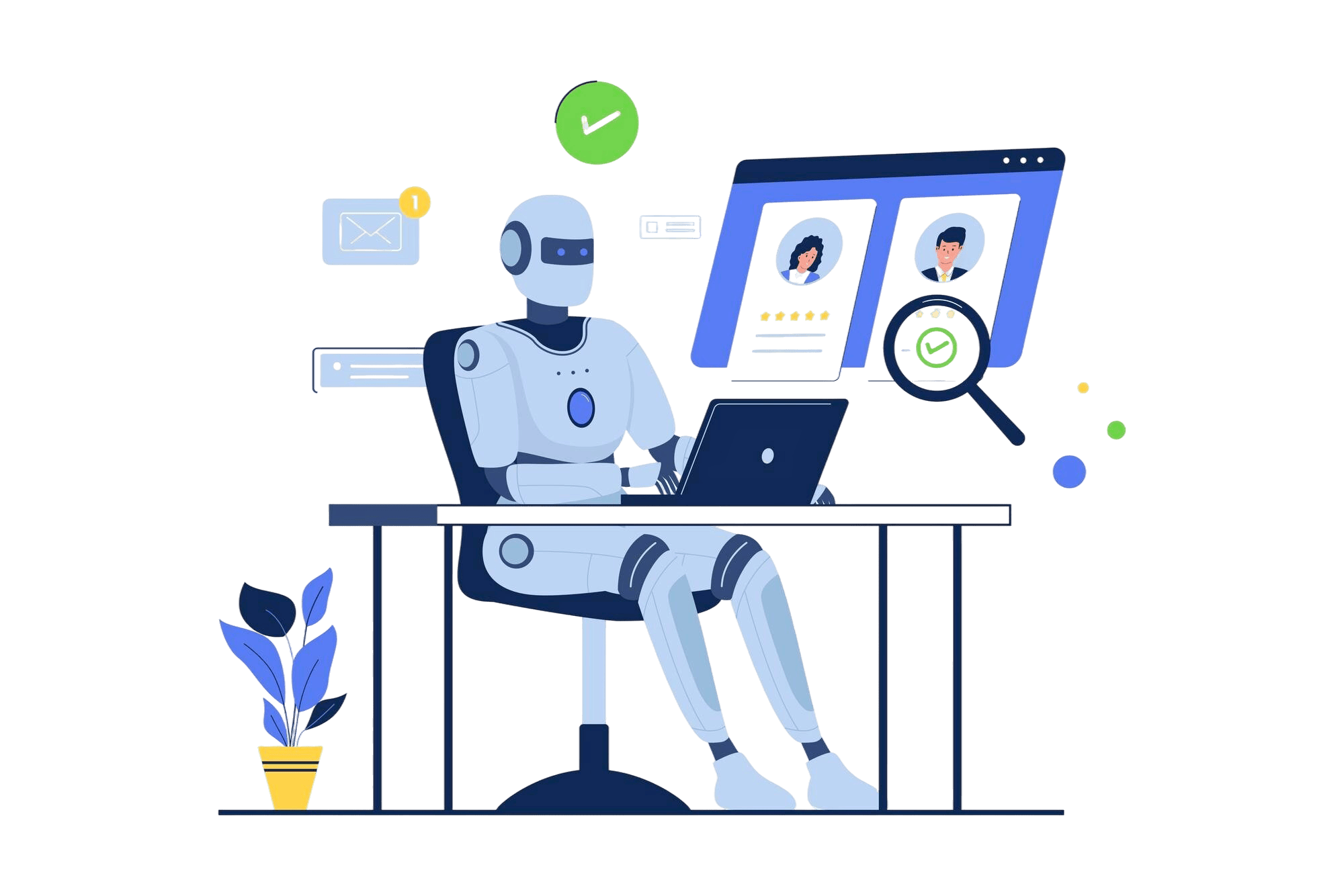
The AI 2027 outlook presents a more radical possibility:
- AI systems could reach human-level or beyond performance in many professional tasks
- Workers may shift from executing tasks to supervising AI systems
- Entire industries could operate with smaller human teams + AI agents
This aligns with broader predictions:
- Machines could handle ~42% of work tasks by 2027
- Some forecasts suggest millions of jobs disrupted, but new roles emerging simultaneously
The key takeaway:
The future is AI-powered workforces, not AI-only workforces.
3. Jobs Most Likely to Be Affected First
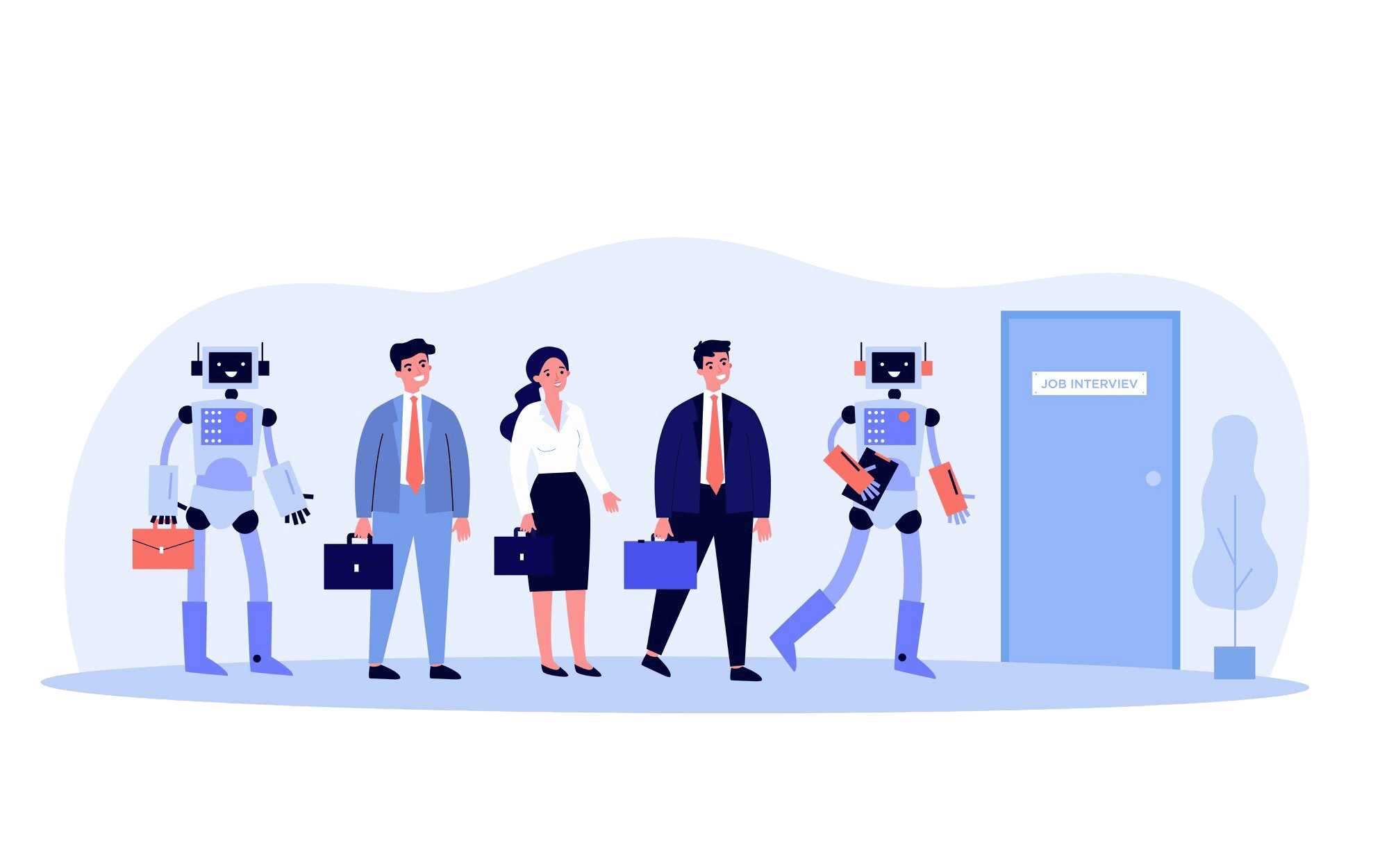
AI is impacting jobs unevenly. The most affected roles are those with repeatable, predictable tasks.
High Risk Jobs
- Administrative & clerical work
- Customer service roles
- Data entry & basic analysis
- Content writing (basic level)
Many companies are already targeting these roles for automation
Surprisingly At Risk (High-Skill Roles)
Recent studies show AI also affecting:
- Programmers
- Financial analysts
- Designers
- Journalists
Why? Because AI excels at cognitive and digital tasks.
Lower Risk Jobs
- Skilled trades (plumbers, electricians)
- Hands-on technical work
- Jobs requiring human empathy (healthcare, counseling)
AI struggles with:
- Physical unpredictability
- Emotional intelligence
- Real-world complexity
4. The Rise of New Jobs (The Opportunity Side)
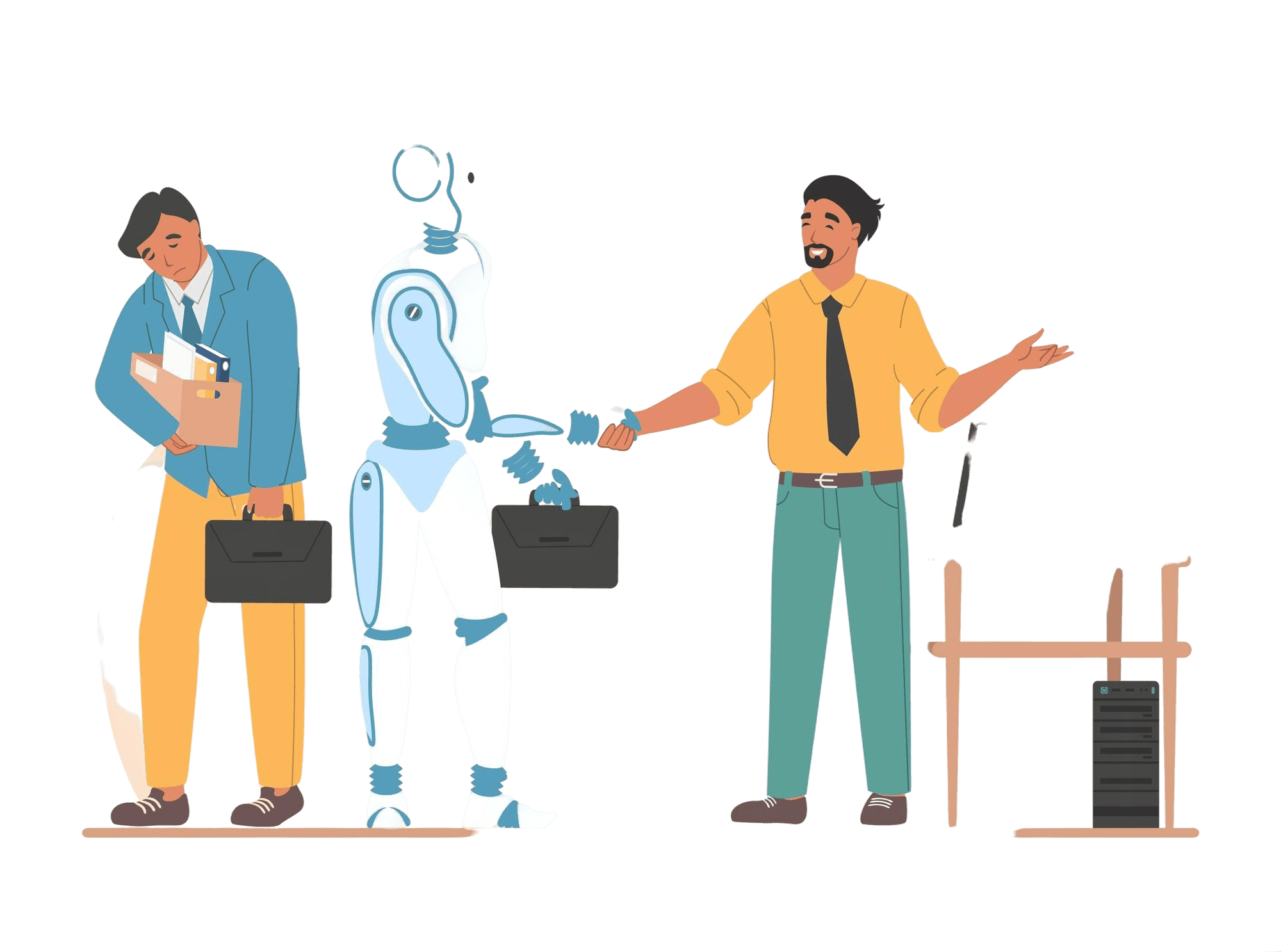
While AI is disrupting jobs, it is also creating entirely new career paths.
By 2027:
- AI is expected to create more jobs than it eliminates
Emerging Roles
- AI Specialists & Prompt Engineers
- Data Analysts & AI Trainers
- Automation Consultants
- Digital Product Creators
- AI-Augmented Marketers & Designers
The biggest shift is this:
People who know how to use AI will replace those who don’t.
5. The Shift from Jobs to Skills
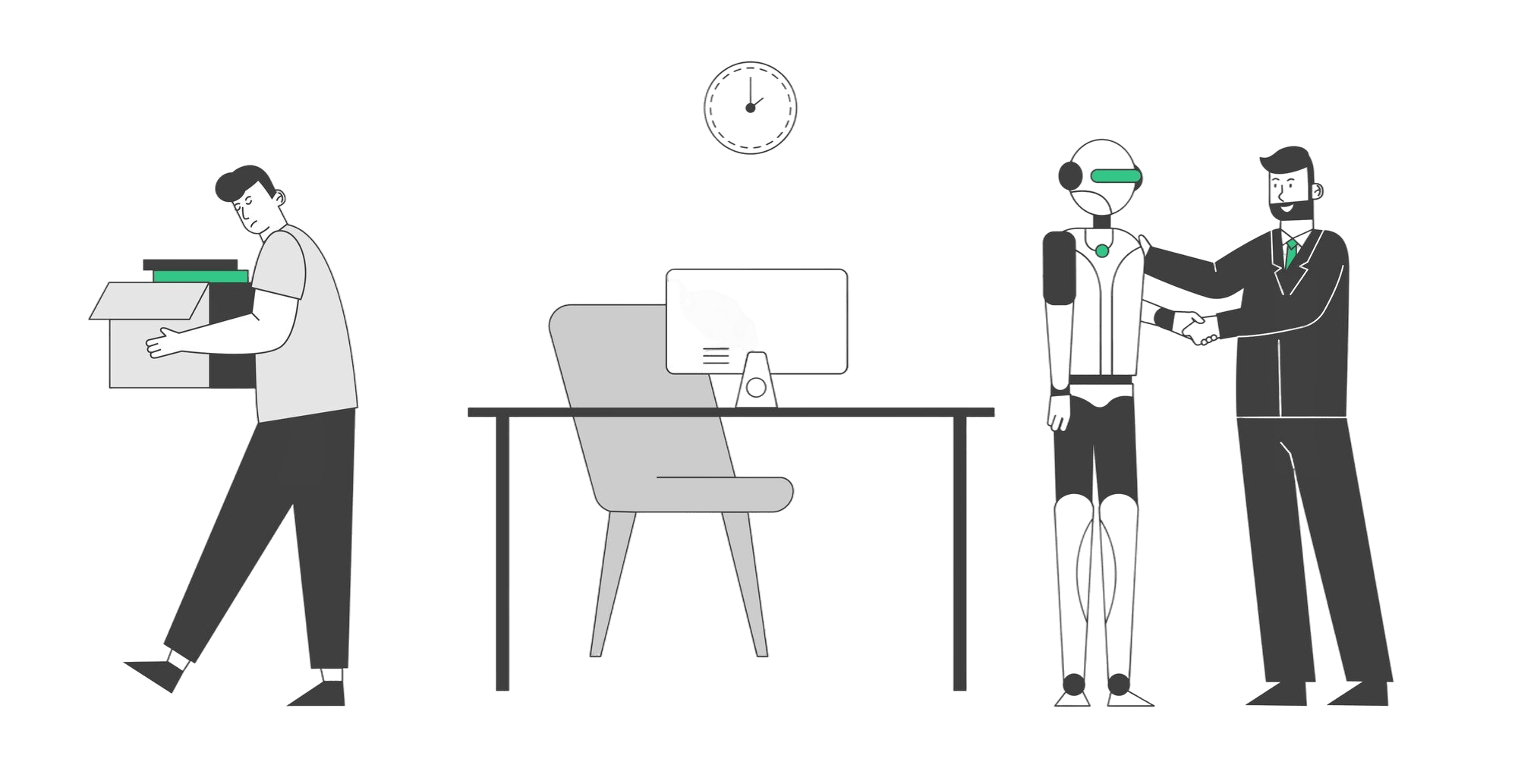
The future workforce is becoming skill-based, not job-title based.
Instead of “I am a graphic designer,” the future looks like:
- “I solve branding problems using AI + design tools”
Key future skills:
- AI literacy (using tools effectively)
- Critical thinking & problem-solving
- Creativity & innovation
- Digital entrepreneurship
- Communication & storytelling
6. The Hybrid Workforce Model
One of the most important concepts emerging from AI trends is:
Human + AI Collaboration
Companies are moving toward:
- Smaller teams
- Higher productivity
- AI-assisted workflows
In fact:
- Some firms may reduce staff, then rehire for redesigned roles by 2027
This means:
Jobs won’t disappear—they will evolve.
7. The Big Risk: Inequality & Skill Gaps
AI will not affect everyone equally.
Challenges include:
- Entry-level jobs becoming scarce
- Middle-class roles being disrupted
- Skill gaps widening between workers
There is growing concern globally:
- Many people believe AI will reduce job opportunities
The real danger is not AI it’s lack of adaptation.
8. What This Means for Africa & Emerging Economies
For countries like Zimbabwe and across Africa:
Opportunities:
- Access to global digital work
- Freelancing & remote income
- Tech-driven entrepreneurship
Risks:
- Being left behind in digital skills
- Job displacement without reskilling
The future belongs to those who:
- Learn digital skills
- Leverage AI tools
- Build online income streams
9. The Bottom Line: The Future of Jobs

The future of work is not about humans vs AI.
It is about:
✔ Humans who use AI
vs
❌ Humans who don’t
By 2027:
- Jobs will be faster, more digital, and AI-assisted
- Workers will act more like strategists and supervisors
- Skills will matter more than degrees
Final Thought
AI is not just changing jobs—it is changing the definition of work itself.
The question is no longer:
“Will AI take my job?”
The real question is:
“Am I ready to work with AI?”


Responses